
I was fiddling with a phone and a plastic card one evening. The card tapped, the app lit up, and something shifted for me. I kept expecting a complicated setup with paper backups and cryptic recovery phrases, but the flow was almost annoyingly simple once it worked. My instinct said this was either brilliant or dangerously slick, and that tension stuck with me as I dug deeper. Whoa!
Card-based hardware wallets feel different in the hand and in the head. You hold a physical object, you tap it, and the phone never actually learns your private key. That separation is the whole point, though it sounds simple because the cryptography does the heavy lifting behind the scenes and you don’t see it. On one hand there’s comfort—like a keychain for your crypto—and on the other hand there’s a nagging question about backups, compatibility, and long-term access. Really?
When I first used the Tangem-style NFC card I thought it was a clever toy. Then I remembered all the times people lost their seed phrases or fell for phishing pages and I realized this could be a practical user-experience win for non-technical folks. The card stores your keys in a secure element and only signs transactions when you authorize them by bringing the phone near, so the keys never leave the secure chip and you avoid exposing them to your internet-connected device. That architecture reduces attack surface in a way that feels intuitive for everyday users while still satisfying serious security concerns for advanced users. Seriously?
Let me be blunt: the UX is the product’s strongest argument. Most people will never safely manage a 24-word phrase, and for them somethin’ tangible they can keep in a wallet or a safe seems easier to respect. Initially I thought physical cards would be fragile and easy to misplace, but then I started thinking like someone who carries a birth certificate, passport, and spare credit card in a fireproof box—practical redundancy matters. Actually, wait—let me rephrase that: for people who build practical redundancies into their lives, a card fits perfectly, though it doesn’t replace a thoughtful recovery strategy. Hmm…
Here’s where the technical trade-offs come in. NFC cards offload the signing operation to the secure element, which is great, but they usually don’t provide conventional seed phrase recoverability unless the vendor supports a backup mechanism or offers a BIP39-compatible export option. That design choice avoids a lot of user error but forces you to trust the vendor’s recovery story or to purchase a second card for redundancy. On the bright side, hardware manufacturers that build true multi-device pairing or social recovery models can mitigate that single-point-of-loss issue. Whoa!
Security audits and certified secure elements matter a lot here. Not every NFC card is created equal, and certifications like Common Criteria or independent third-party audits provide real evidence, not just marketing. My hackles go up when a shiny card advertises “military-grade” security without revealing the chips or the audit reports. I’m biased, but transparency should be mandatory for any wallet that claims to guard keys. Really?
Integration with wallet apps is another practical concern. If the card only supports a proprietary app, your long-term liquidity is tied to that vendor surviving and staying compatible with chains you care about. On the flip side, open standards and wide wallet support mean you can move cards between apps and ecosystems without reinventing the wheel each time. Initially I thought vendor-specific apps were fine, but then realized the ecosystem effect could lock users in. Actually—I mean, that matters more than most buyers think.
Practically speaking, here’s how I use a card-based NFC wallet day-to-day. I pair the card with an app on my phone, test small transactions first, and keep a second card in a separate secure location as a cold backup. For high-value holdings I prefer a multi-sig setup across different device types—one card, one hardware key, and an institutional-style custody fallback if needed. On the user level this is very very sensible: you get both convenience and layered security without forcing the non-expert to memorize or mis-handle a seed phrase. Hmm…
One detail that bugs me: recovery workflows often live in the fine print. Some card vendors provide an encrypted cloud backup tied to a passphrase, while others insist the card itself is the only recovery. Both approaches have valid uses, but they create different failure modes—cloud backups can be attacked, and single-card-only recovery can be fatal if the card is destroyed. My instinct said diversify, and empirical experience backed that up after I had to restore access from a backup during testing. Whoa!
Cost and form factor deserve a quick note. A metal or laminated NFC card costs more than a simple plastic credit-card clone, but the durability and tactile weight change how you treat it. I prefer a robust card that feels like something worth protecting, and that preference nudges me to keep better custody habits. That might sound petty, but psychology matters—if your security product feels disposable, you’ll treat it that way. Really?
Interoperability with blockchains is improving, but it’s uneven. Some cards support multiple coins and token standards, while others are optimized for one chain and do it well. If you care about emergent or less common chains, confirm compatibility before buying—save yourself the hassle of a dead-end purchase. On the other hand, if you primarily use major chains, the mainstream NFC cards will likely cover your needs with fewer surprises. Hmm…
There’s an ecosystem-level insight that surprised me. The convergence of NFC hardware wallets and mobile wallets has pushed teams to improve UX while tightening security, which creates momentum that benefits users across devices and vendors. Initially I thought these improvements would only help newbies, but the tooling also speeds up advanced workflows like multisig and Shamir backups. On one hand the pace is reassuring; on the other, it raises the bar for due diligence because vendor promises evolve quickly. Whoa!
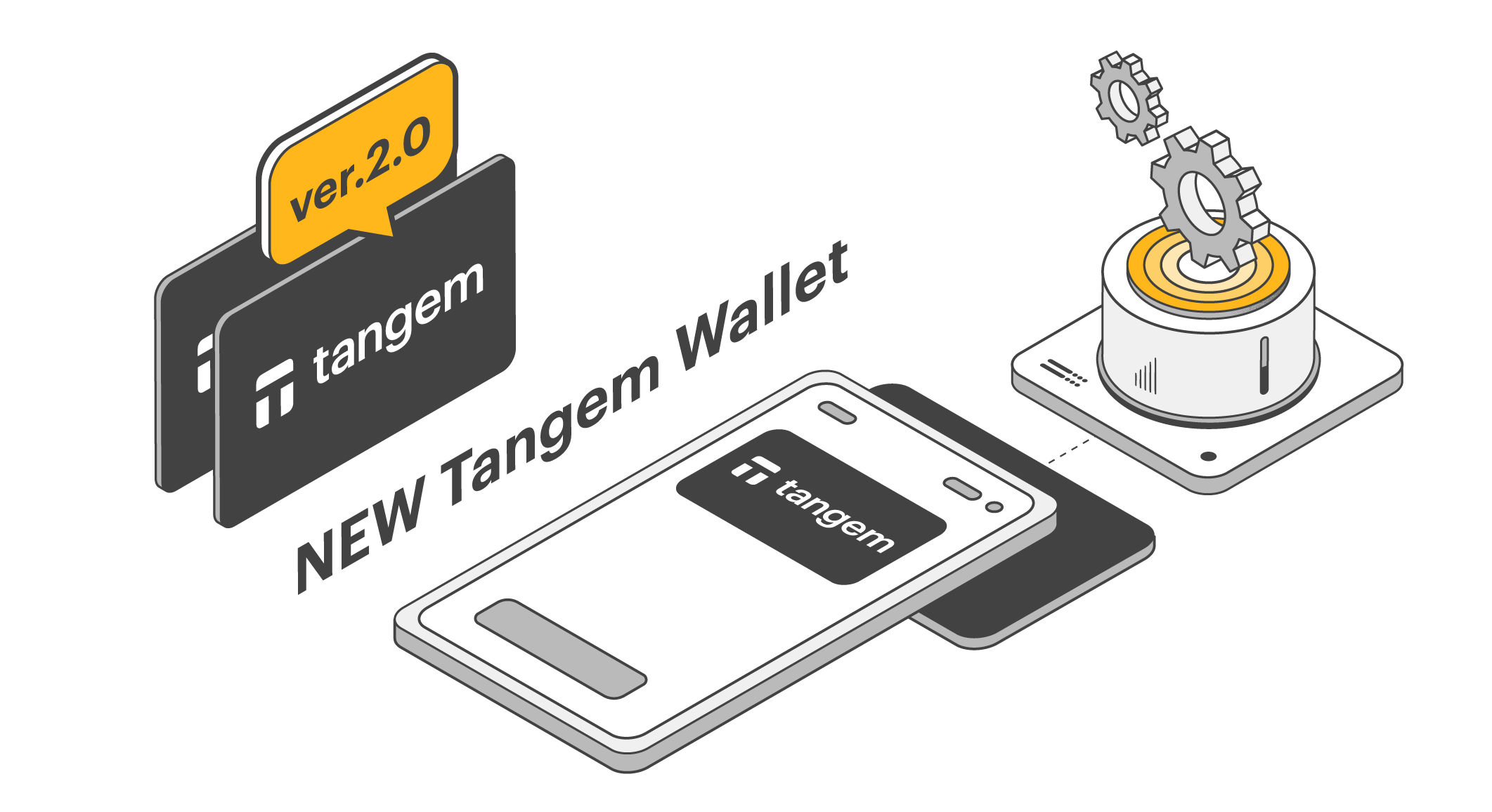
Real talk about the tangem card
If you want a real-world example of this class of product, check the tangem card, which I used during testing and found to be an accessible blend of security and simplicity. The card’s secure element prevents key extraction while the companion app handles the UX, and the company has iterated on backups and multi-card flows over time. I’m not saying it’s perfect—no solution is—but the design decisions prioritize reducing user error, which is where most losses occur. That tradeoff makes the tangem card and similar NFC solutions a compelling option for many everyday holders. Really?
My testing notes, quick checklist: confirm chain support, check audit reports, test small transfers, buy a backup card, and store it separately. Also: practice the restore process at least once so you’re not learning under stress. I liked seeing the physical tap-and-confirm habit form; it felt less risky than copying words into a notepad and more resilient than leaving things on exchange accounts. Whoa!
Regulatory noise is a background factor. Wallet vendors navigating KYC/AML pressures may change features in response to legal regimes, which can alter recovery or custody options. On one hand vendors must comply, but on the other hand user autonomy can be impacted in subtle ways. So, monitor vendor updates and keep an eye on changelogs and community forums for any policy-driven changes to features. Hmm…
To close my personal loop—I’m still skeptical about single-vendor dependence, but I’m genuinely excited about the user-facing benefits. Physical NFC cards reduce the most common user errors, and they create a tactile interaction people can understand, which is huge. That said, nothing replaces a thought-through backup plan and periodic testing of that plan. I’m not 100% sure which workflows will standardize, but I’m confident the direction is toward safer mainstream custody options. Whoa!
FAQ
Can an NFC card like this be hacked remotely?
The short answer is highly unlikely if the vendor uses a secure element and proper signing workflows, because the private key never leaves the chip and signatures require physical proximity. However, attackers can target companion apps, your phone, or social engineering channels, so good device hygiene and skepticism about unsolicited prompts remain essential.
What happens if I lose my card?
If you have a backup plan—either a second card, an encrypted backup, or a social recovery flow—you can restore access following the vendor’s steps; without a backup, access could be irrecoverable. That’s why I recommend buying two cards and storing the spare separately from the primary, and then testing the restore once to be sure the process works for you.
Is a card better than a classic hardware wallet?
It depends on priorities: cards are excellent for ease of use and reducing key exposure, while traditional hardware wallets often provide broader features, auditability, and explicit seed phrase options. For many users a card is the right balance; for high-security institutional needs, layered multisig with diverse device types is still the gold standard.
